Welcome to our seaside haven, where the rhythm of the waves and sea spray meets the aroma of freshly ground beans. For us, exceptional coffee, specialty grade and carefully roasted, is much more than a morning ritual. Each cup carries the story of the beans, from their origin to your hands, connecting people and places along the way. Our roasts are thoughtfully selected and expertly developed to unlock every layer of flavor, delivering a cup that's bold, balanced, and unmistakably good. Here, coffee is never just coffee. It's a moment, a connection, a small part of something larger happening with every cup poured.
"Gourmet" is a marketing term. "Premium" has no governing standard. Specialty coffee does. Every single one of our offerings meets it.
Specialty-Grade Coffee
What's specialty coffee?
Specialty coffee is defined by its exceptional quality, scoring 80 points or above out of 100 when evaluated by certified tasters. According to the Specialty Coffee Association (SCA), 350 grams of green coffee are analyzed to ensure it's free of any primary defects and has no more than five secondary defects.
This grade of coffee is grown in specific geographical areas and microclimates by small producers prioritizing quality from farm to cup. Every step, planting, harvesting, selecting, processing, storing, roasting, grinding, and extracting, is carefully handled to produce a coffee with complex flavors. The SCA estimates that specialty coffee represents only about 10% of the global coffee supply, making it a genuinely rare standard rather than a marketing claim.
Buying these beans supports fair prices for coffee farmers, recognizing their work and dedication to producing high-quality coffee, while encouraging farming practices that protect the quality and availability of specialty coffee for years to come.
Unlike marketing terms, specialty coffee is defined by a regulated scoring system and strict quality standards. Terms like "premium" and "gourmet" are commonly used but lack that same definition, and understanding the difference is worth knowing before you buy.
Premium Coffee:
Premium coffee describes a clean, acceptable bean with a distinctive flavor that didn't score high enough to qualify as specialty grade. Some commercial brands offer above-average coffee that falls into this category, and while it can be a solid cup, it doesn't meet the same standards of traceability, defect analysis, or scoring that specialty requires.
Gourmet Coffee:
Gourmet coffee has no strict definition. It can include specialty or premium coffees, or it can simply be a marketing term with nothing behind it. Generally it refers to foods carefully selected to preserve quality, often the result of good harvesting or processing, but without a governing body or scoring standard to back it up, the label alone doesn't tell you much.
Never Sitting On A Shelf
Freshly Roasted
Most coffee is roasted in bulk, warehoused, and shipped whenever. We roast to order in small batches so every bag arrives at peak freshness. Every time, no exceptions.
Wonder Waves
Common Coffee
EXCEPTIONAL
Earning 80 points or above on the SCA grading scale
ORDINARY
Scoring below 80 points on the SCA scale or ungraded
CRAFT
Distinctive, specialty-grade beans with origin traceability
COMMODITY
Generic, mass-produced beans with little to no traceability
FLAVORFUL
Consistently smooth & full-bodied with deep undertones
BLAND
Flat & grainy with a burnt or bitter aftertaste
HAND-PICKED
Selectively harvested by hand to ensure ripeness & health
STRIP-PICKED
Mechanically stripped for speed at mixed ripeness levels
ROASTED TO ORDER
Freshly roasted to order with care in small batches
PRE-ROASTED
Bulk-roasted conventionally in advance & stored
CUSTOM CHOICES
Whole bean or ground your way: fine, medium, or coarse
NO CHOICES
Offered only as whole bean or standard ground
OPTIMAL DELIVERY
Roasted & dispatched same day for peak freshness
STOCKPILED
Warehoused for extended periods, diminishing freshness
Sold On Demand
Sold independently by us or our standalone partners
MASS-DISTRIBUTED
Found sitting in chain supermarkets & retail shelves
Covering All Brews
Your Coffee, Your Choice
We know the perfect cup starts with the right grind. That's why, in addition to whole bean, we offer three distinct grind sizes: coarse, medium, and fine, each suited to a different brewing method and taste preference. Coarse is ideal for French press and cold brew, where a slower extraction calls for bigger particles. Medium works beautifully for drip coffee makers and pour-overs, striking the balance most home brewers reach for. Fine is built for espresso, where pressure and speed demand a tighter grind to unlock full flavor in seconds. Whether you're pulling a robust espresso or brewing a smooth pour-over, we've got the right grind waiting for you.
For coffee enthusiasts who grind their own beans to capture full freshness and potential.
Coarse Grind
Ideal for French presses and percolators utlizing slow extraction for deep and full-bodied flavors.
Medium Grind
Best for drip coffee makers and pour-over methods to achieve a smooth and balanced flavor profile.
Fine Grind
Optimal for high-pressure espresso machines requiring fine grinds for complex flavor extraction.
Coffee: Our Universal Language
Bridging Oceans, Blending Cultures
We see coffee as something that bridges people and places, uniting us in a shared experience. In a world as vast and diverse as ours, coffee stands out as a language that transcends cultural and geographical boundaries, spoken in the quiet of the morning, in bustling cafés, and in moments shared between friends. It's a symbol of hospitality, a catalyst for conversation, and a ritual that grounds us in the present while we look ahead to the day. We invite you to pause, to savor the moment, and to discover something new in every cup, starting with the farms and the people behind it.
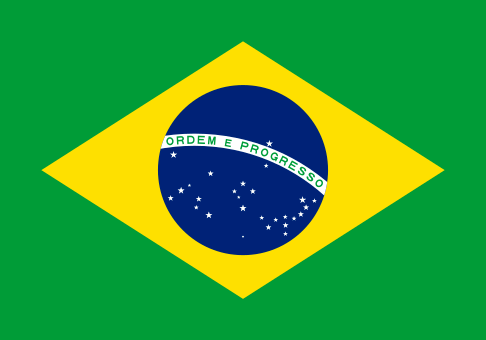
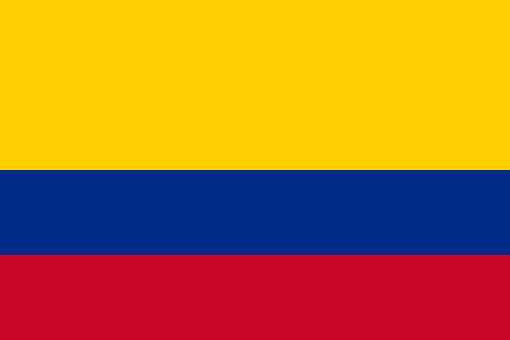
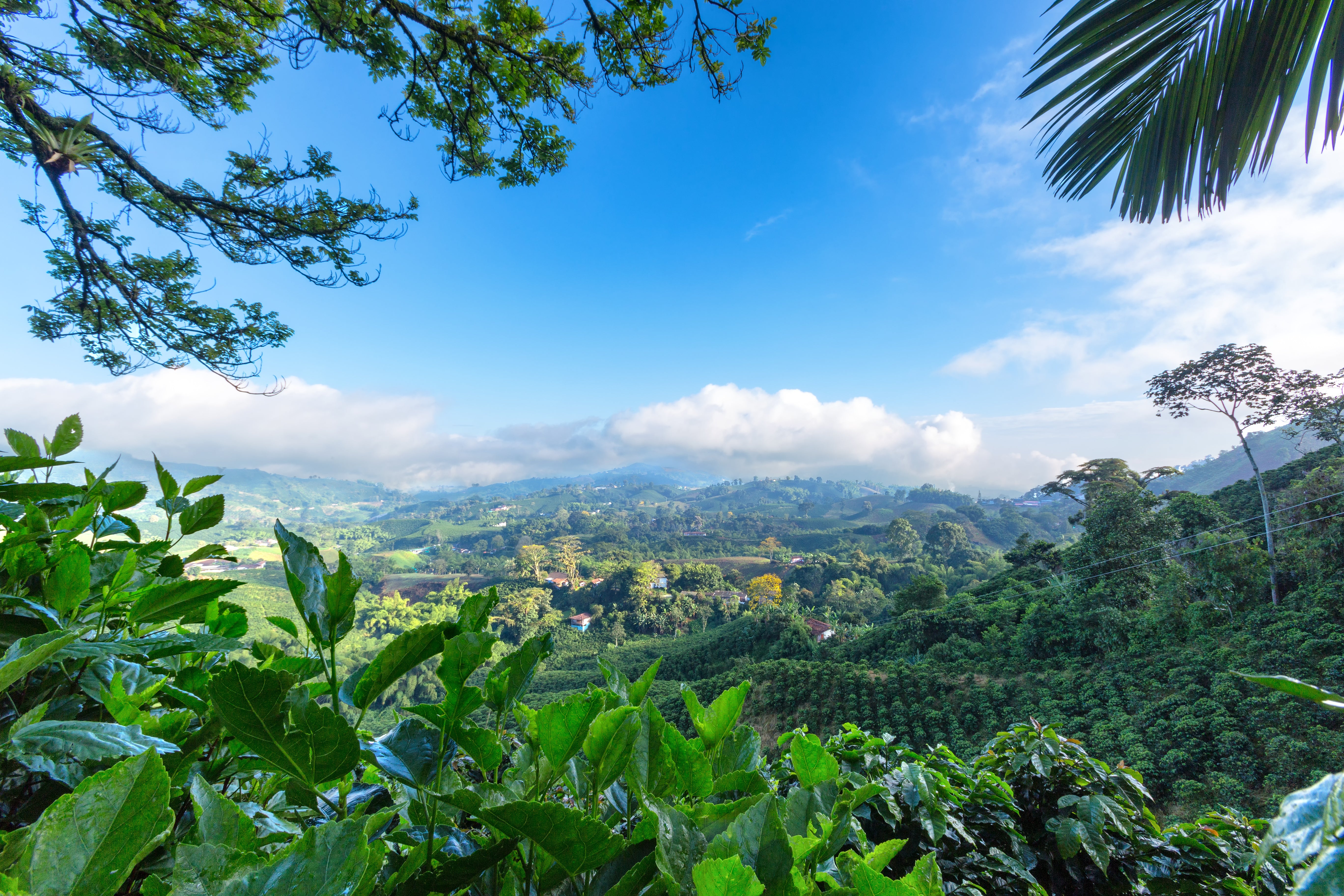
Nestled between majestic mountains and verdant valleys, the coffee regions of the Americas are a patchwork of microclimates and fertile soils, each contributing uniquely to the character of its beans. In Colombia, coffee grows on sun-drenched highlands where each bean carries the legacy of a coffee culture that dates back centuries. To the north, the volcanic terrains of Guatemala give the local beans a depth and clarity celebrated worldwide. In Brazil, the world's largest coffee producer, expansive plantations stretch across the landscape, offering a range of profiles from bright and fruity to bold and chocolatey. Each cup of Latin American coffee carries the weight of tradition and the hands of the people who grew it.
Our Trusted Growers
Smallholder Farms (Sul de Minas | Brazil)
This coffee originates from small-scale producers nestled in the rolling hills of Sul De Minas. The region's mild climate, soft rainfall, and unique microclimate nurture the coffee trees to perfection. The farms, ranging from 10 to 150 hectares, have been cultivated by families for generations.
Café del Macizo (Tolima | Colombia)
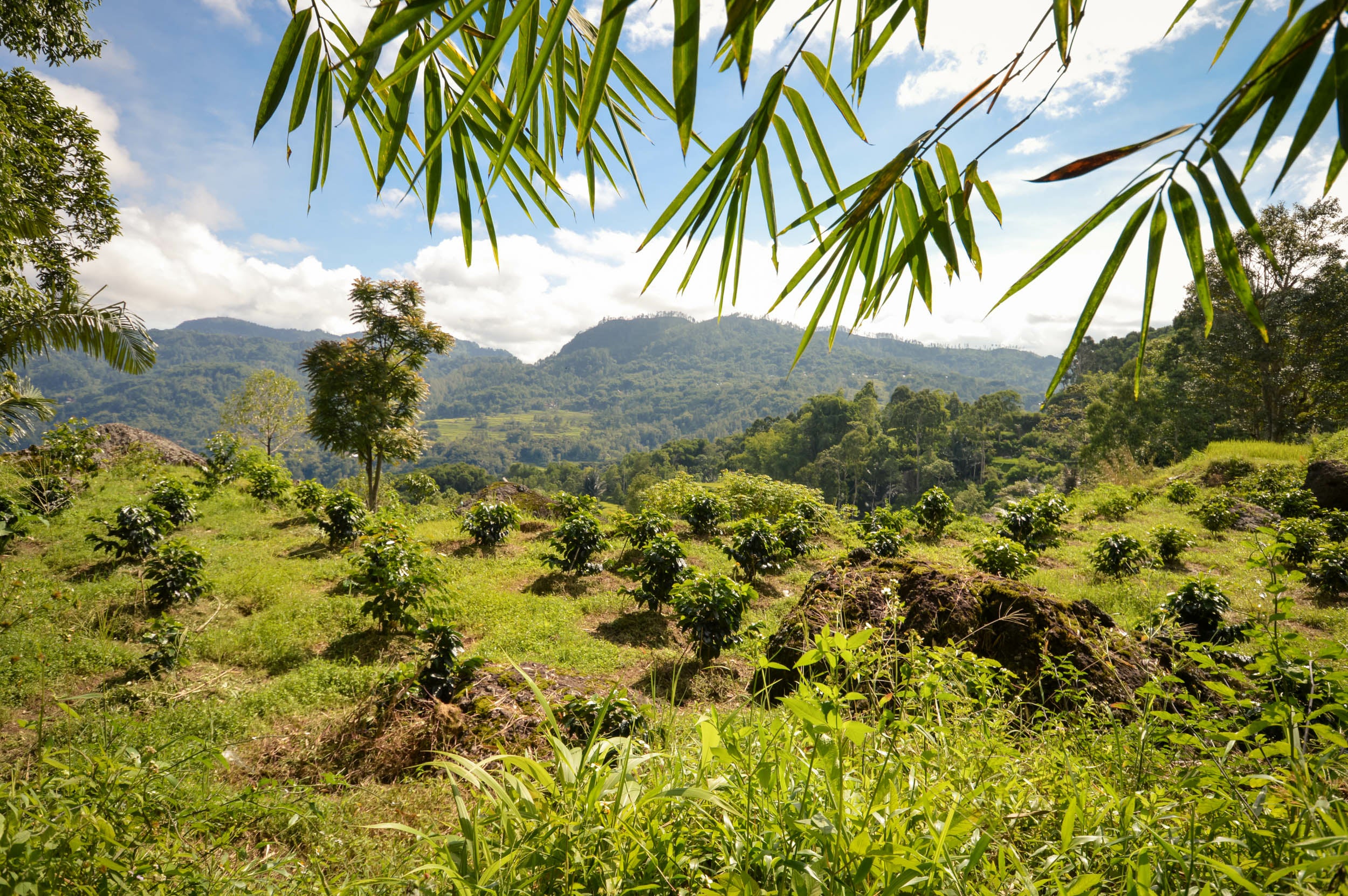
In 2003, a tight-knit group of 59 lifetime growers established Café del Macizo in the rural municipality of Planadas, in the state of Tolima. United by their extensive experience, these farmers pool their knowledge and resources to cultivate high-quality coffee. Nestled in the foothills of the Cordillera Central, the stunning mountainous terrain enhances the region's natural beauty.
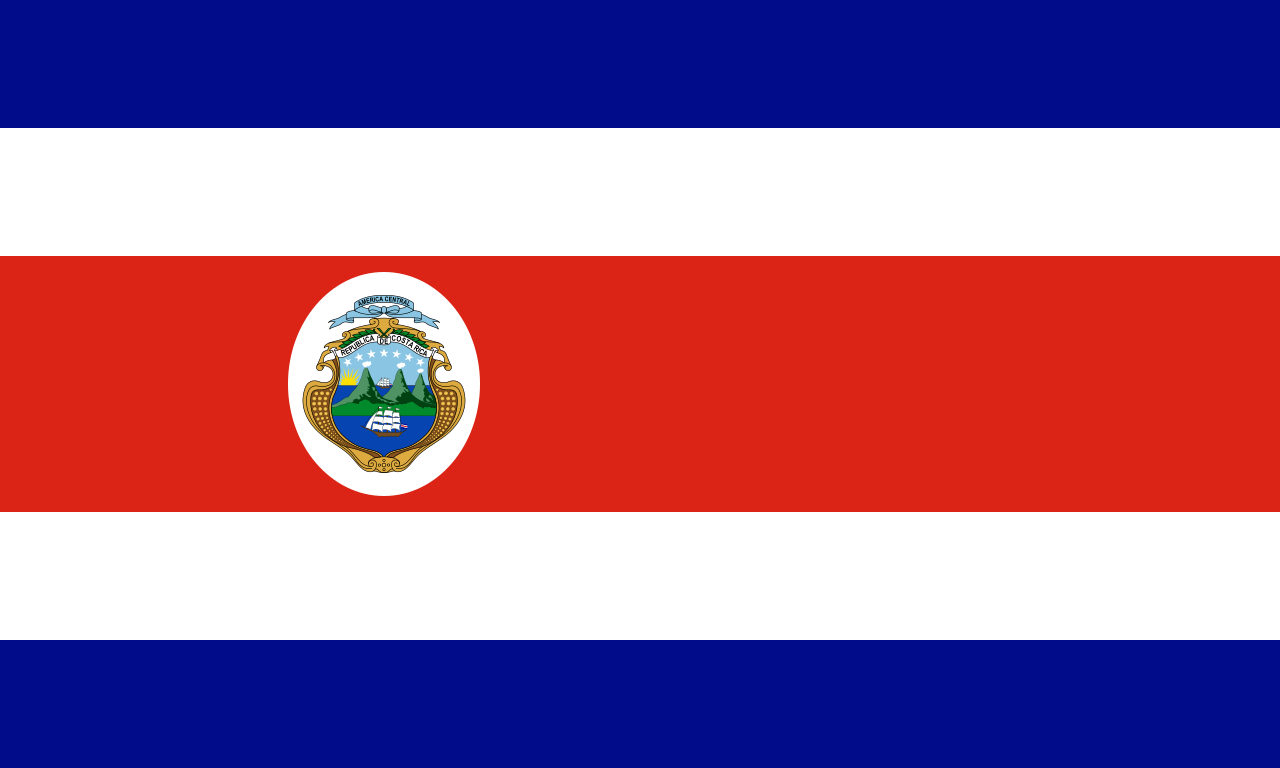
CoopeAgri (Perez Zeledon | Costa Rica)
CoopeAgri is a collective of farmers from small communities, villages, and individual family farms. The cooperative prioritizes the well-being of its members, their families, and their communities. COOP members have access to medical care, agronomy support and outreach, and a café showcase. The farmers utilize organic fertilizer produced by the cooperative.
Apicus COOP (Huehuetenango | Guatemala)
CoopeAgri is a collective of farmers from small communities, villages, and individual family farms. The cooperative prioritizes the well-being of iThis coffee originates from the Apicus COOP, located in the northern Huehuetenango region. Boasting 200 members, the COOP has collaborated for over a decade to cultivate exceptional organic coffees.
The combination of high altitude, dedication to cup quality, and adherence to dependable milling practices guarantees an outstanding coffee experience each year.ts members, their families, and their communities. COOP members have access to medical care, agronomy support and outreach, and a café showcase. The farmers utilize organic fertilizer produced by the cooperative.
CAFESCOR (Copan | Honduras)
In 2014, 25 small coffee producers in the Casitas District, in the town of Corquin, Copan, formed the COOP called CAFESCOR – Cafes Especiales Corquin, S. A. de C. V.
Since that time, the COOP has grown to over 131 partners farming over 400 cultivated hectares. With a wet mill in the community of Las Casitas and a dry mill in the community of Jimilile, the COOP partners are committed to continue growing and gaining recognition for excellence in coffee production.
FINCA LIQUIDÁMBAR (La Paz | Honduras)
Finca Liquidámbar is a family-run farm in Guascotoro, La Paz, managed by Roberto René González, his wife Odalma, and their children. After earning his degree in business management, Roberto returned home to lead the local RAOS cooperative and run his family’s 37-acre farm.
Beyond producing exceptional single-farm micro-lots, Roberto is converting half of the farm into a protected biological reserve and partners with local organizations to invest in community youth programs and infrastructure.
FESICH (Chiapas | Mexico)
Founded in 2016, FESICH represents over 1,500 producers situated in the Jaltenango region of Chiapas, the southernmost state of Mexico, adjacent to Guatemala. The cup profile of the coffee is distinct and intricate, a result of the diverse landscapes and varying elevations. The coffee is cultivated on hillsides, interspersed with indigenous plants and fruit-bearing trees.
COMULFAC (Jinotega | Nicaragua)
The Cooperativa Multifuncional Family Coffee R.L. (COMULFAC) was established in 2013 by a collective of family-owned farms, with support from the privately-owned export company, J&M Family.
These family farms range in size from 4 to 100 acres and operate their own micro-mills. Each step of the coffee processing (from harvesting and depulping to fermenting and drying) is handled with great care. By joining the COOP, these small-scale farmers are able to share resources, enhancing both the quality of their coffee and the well-being of their families and communities.
JUMARP (Amazonas | Peru)
Situated in the Amazonian Andes of northern Peru, the Asociacion de Productores Cafetaleros Juan Marco El Palto (JUMARP), also known as "El Palto," started with just 35 small farmers in 2003. Today, the cooperative boasts 189 members, including 40 women, and manages approximately 550 hectares of organic and Fair Trade Certified coffee.
Both female and male members are represented on the El Palto Coop Board of Directors, which aims to enhance production and profitability in specialty coffee, thereby increasing the income of each member family.
Africa
The Birthplace Of Coffee
Spanning sun-drenched savannas and misty mountain ranges, Africa's coffee regions are as diverse as they are rich with heritage. Here, coffee is more than just a crop. It's a legacy etched into the very soil of nations like Ethiopia, widely considered the birthplace of coffee itself, and the rolling hills of Kenya, known for its exquisite beans and careful attention to processing. Ethiopian Yirgacheffe brings bright, floral notes, while Tanzanian Peaberry offers fruity undertones with an intense aroma and full-bodied profile. From ancient highland forests to modern processing tables, Africa's coffee culture runs as deep as its history.
Our Trusted Growers
Smallholder Farms (Sidama, Ethiopia)
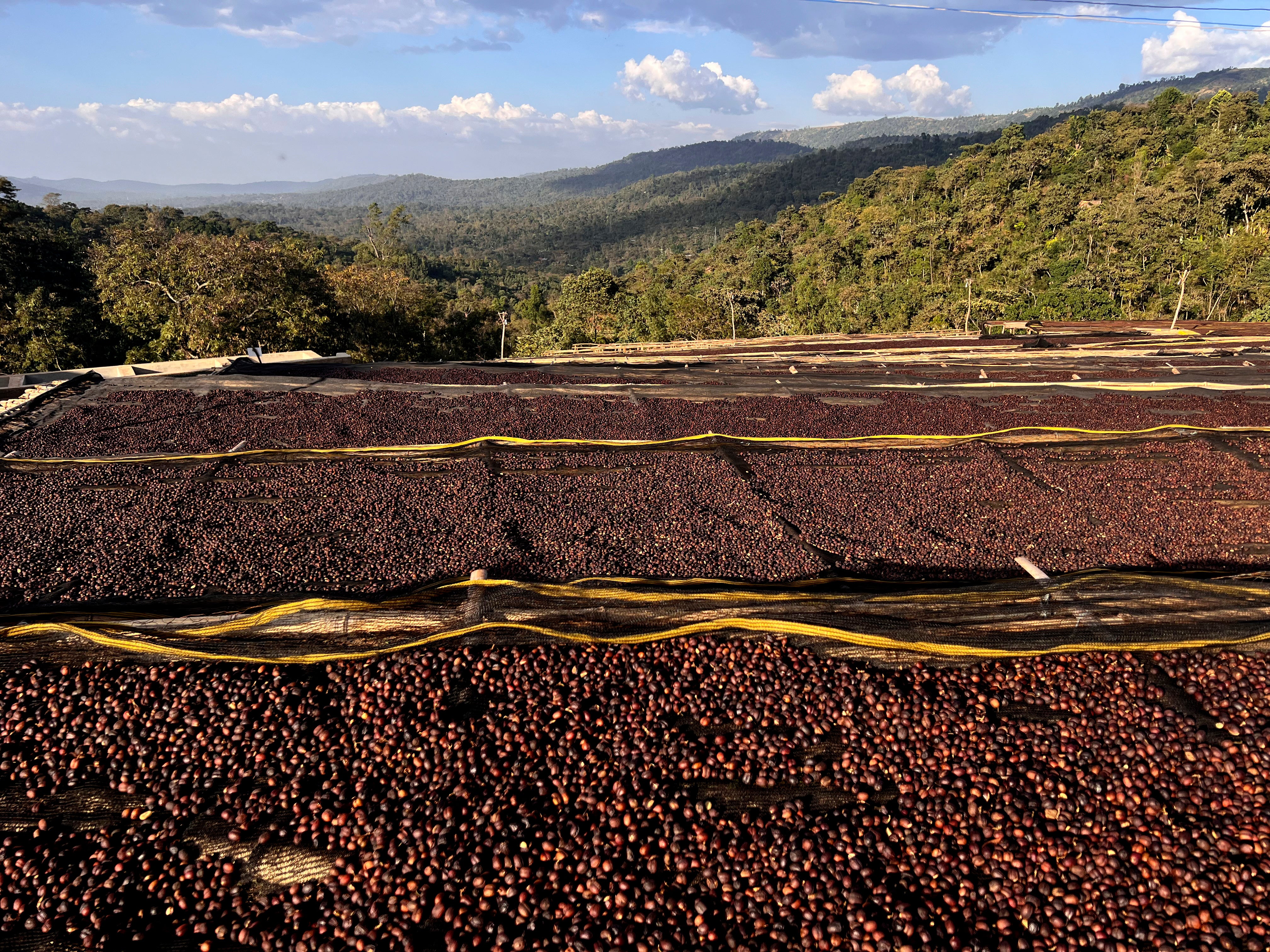
The coffee plant is believed to have originated in Ethiopia, where it isn't just a cash crop but an integral part of a longstanding culture. Coffee is the principal export of Ethiopia, supporting the livelihoods of over 15 million farmers and workers in the sector.
This coffee is cultivated in the Oromia zone on family-owned farms and processed by a local cooperative. The conventional processing technique employed yields an exceptional naturally processed coffee.
Othaya Farmer Cooperative Society (Othaya, Nyeri County | Kenya)
The Othaya Farmer Cooperative Society is a prominent member of the Kenya Cooperative Coffee Exporters (KCCE), an esteemed organization comprising nearly 4,000 individual cooperatives. Established in 2009, KCCE's primary aim is to collaboratively manage marketing and exporting operations, rather than relying on contractual agreements with third parties. This specific lot is processed in Gauge.
The Gatugi Factory boasts 500 active members who harvest and deliver coffee to the processing center. Their meticulous milling and sorting process, based on bean size, is a time-honored tradition that enhances the appeal of Kenyan coffees to roasters by ensuring precise physical preparation and offering a variety of profiles from a single processing batch.
Cultivated at the Kilimanjaro Plantation Estate, the exceptionally fertile region around Mount Kilimanjaro is renowned as one of the world's prime locations for Arabica coffee cultivation. Between 2000 and 2005, the plantation was rejuvenated with 1 million new coffee trees.
Each tree is equipped with a drip irrigation system, ensuring a constant and adequate water supply. The introduction of a central wet mill has replaced the eight previously decentralized processing plants, ensuring consistently high-quality standards and reducing water consumption for the "fully washed" processing method.
Smallholder Farms (Kapchorwa District | Uganda)
UGANDA ORGANIC RFA BUGISU comes from family-owned farms nestled in the Bugisu region, situated on the slopes of Mount Elgon in Uganda's Kapchorwa district. This region is named after the Bugisu people, who have called it home for generations. In 1999, the Sipi Falls coffee project (named after three stunning waterfalls) was launched to enhance the quality of coffee production and provide sustainable income for local farmers.
Asia
Centuries-Old Coffee Traditions
Spanning ancient rainforests and expansive highland terraces, Asia's relationship with coffee is both vibrant and deeply historical. On the volcanic islands of Indonesia, coffee cultivation is woven into daily life, making Sumatra and Java legendary names in the world of coffee, known for their earthy, full-bodied character. In Vietnam, the world's second-largest coffee producer, robusta beans are grown for bold, strong flavor, often paired with sweetened condensed milk in a tradition passed down through generations. In India's forested highlands, coffee is shade-grown alongside spices like cardamom and pepper, giving the beans a distinct, layered profile. Each region brings its own history to the cup, shaped by generations and rooted in the land.
Our Trusted Growers
Wayanad Social Service Society (Kerala | India)
India Organic Robusta Cherry is sourced from family-owned farms associated with the Wayanad Social Service Society (WSSS), situated in the Wayanad district of Kerala, India.
Established in 1974, WSSS assists over 8,000 small-scale producers. The coffee is grown in the Western Ghats mountain range, recognized as a UNESCO World Heritage Site and one of the world's most biologically diverse regions, home to over 5,000 species of flowering plants and 508 species of birds. Alongside coffee, farmers in this area also grow a variety of spices.
Smallholder Farms (Kintamani Highlands, Central Bali | Indonesia)
Bali Blue Moon, a Royal staple, derives its name from the distinctive bluish tint of the beans, a result of the wet-hulling process known as Giling Basah in Indonesian. The majority of Bali's coffee is cultivated on small, family-owned farms where producers allocate a few acres to coffee cultivation alongside citrus trees in the volcanic soil of Mount Agung's Kintamani highlands.
In Bali, producers adhere to a traditional rural lifestyle centered around the Subak Abian system, an ecologically sustainable irrigation method developed over a millennium ago by Hindu priests who follow Tri Hita Karana, a philosophy that emphasizes harmony between the environment, humans, and God. This approach extends to coffee cultivation, ensuring that pesticides and synthetic fertilizers are never used, preserving the natural integrity of their crops.
Smallholder Farms (Aceh & Lake Toba, North Sumatra | Indonesia)
This coffee originates from Aceh and Lake Toba, where smallholder farmers cultivate anywhere from just 100 plants to several acres of land. Thanks to a distinctive processing technique, Sumatran coffee is known for its low acidity and subdued brightness compared to other regions. Instead, it boasts a fuller body and deep, earthy flavors.
The process, called wet-hulling, is a hybrid between natural and washed methods. It begins with depulping the coffee, followed by overnight fermentation. Farmers then partially dry the coffee parchment to about 50%. A collector takes over, reducing the moisture to around 25% before the parchment layer is removed through hulling. Finally, the coffee is dried to a moisture level of 12-13% before being exported.
Oceania
Island Coffee Heritage
Celebrated for its stunning natural beauty and dramatic landscapes, Oceania harbors some of the most distinctive coffee profiles found anywhere in the world. This vast region, encompassing Papua New Guinea, Australia, New Zealand, and the islands of the Pacific, offers rich and diverse ecosystems that foster unique coffee-growing conditions. In Papua New Guinea, the high altitudes of the Eastern Highlands create an ideal environment for coffee cultivation, where the beans develop complex flavors shaded by the dense canopy of the tropical forest. Across the region, small-scale growers work some of the most remote terrain in coffee farming, producing beans defined as much by the land as by the hands that tend them.
Our Trusted Growers
Smallholder Farms (Morobe & Madang | Papua New Guinea)
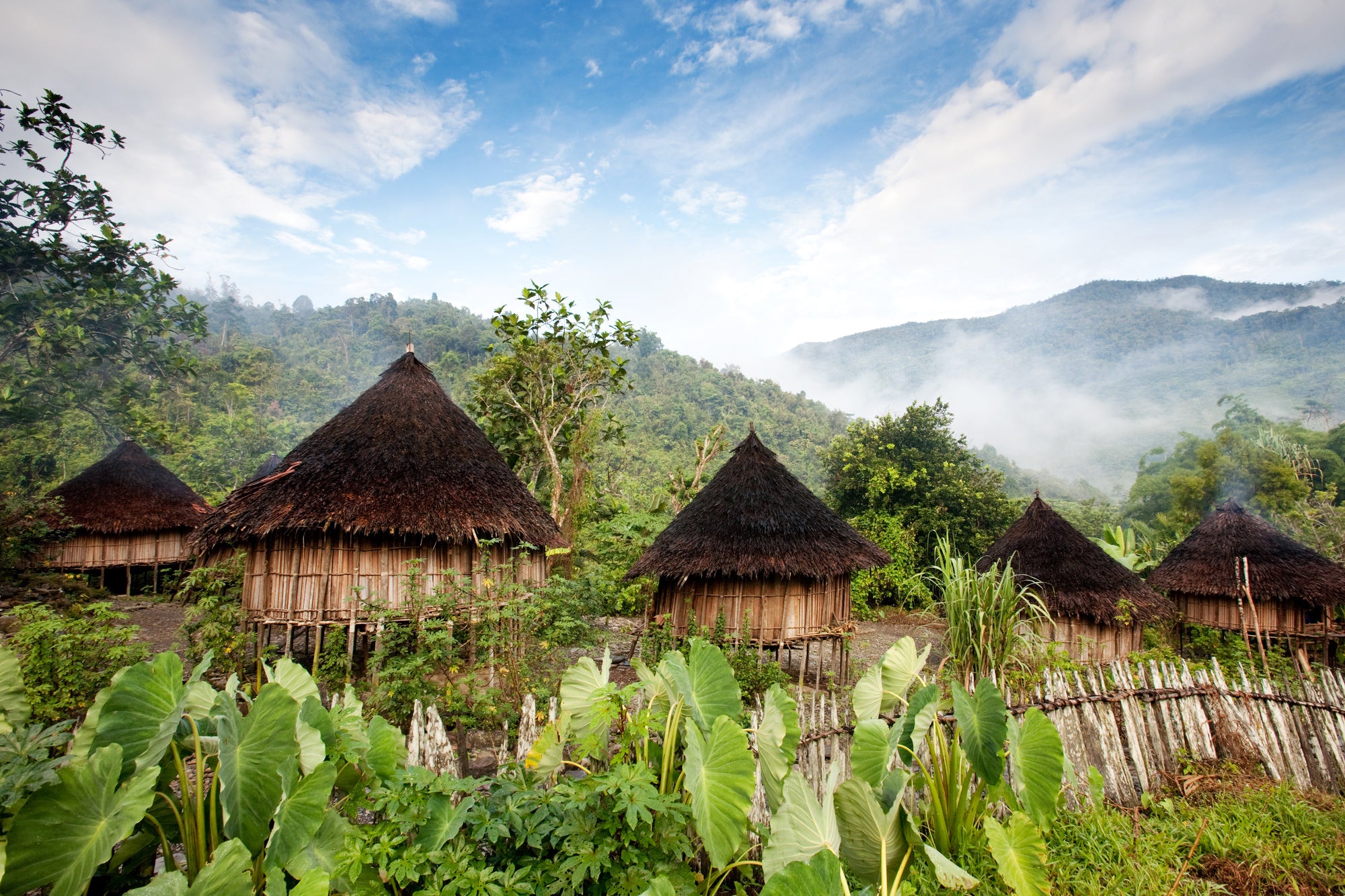
Papua New Guinea, one of the most culturally rich countries in the world, boasts over 800 indigenous languages. This South Pacific nation encompasses the eastern half of New Guinea, the world's second-largest island, along with 600 smaller islands.
Coffee production is a vital source of income for 400,000 rural households across 16 provinces, with 90% of the coffee coming from the Eastern and Western Highlands, Jiwaka, Morobe, and Chimbu provinces. The majority of the coffee produced is exported, making it an essential component of the country's economy.